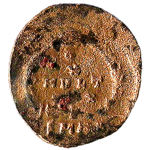
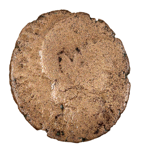
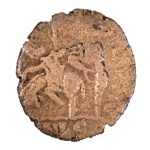
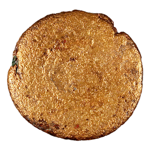
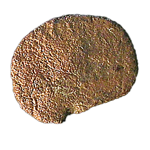
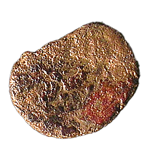
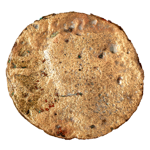
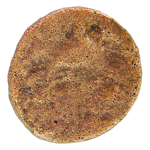
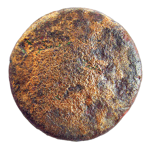
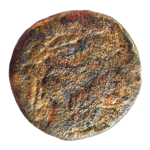
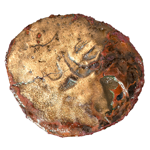
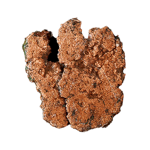
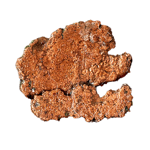
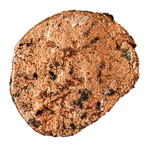
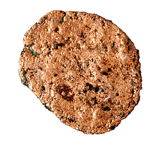
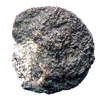
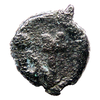
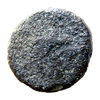
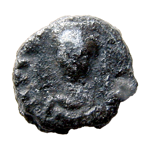
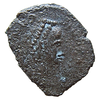
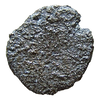
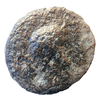
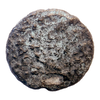
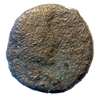
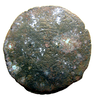
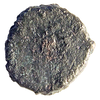
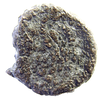
- Coin Finds [permalink]
- Type
- Collection of related entities
- Broader
- Coins
- Description
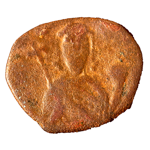
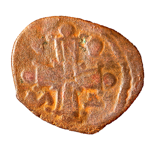
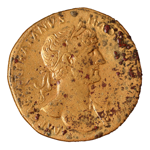
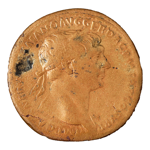
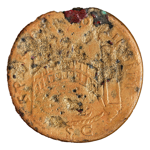
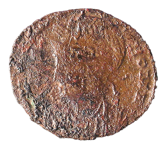
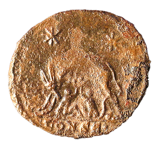
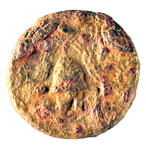
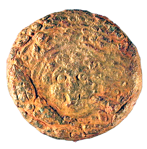
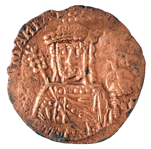
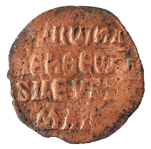
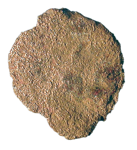
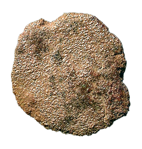
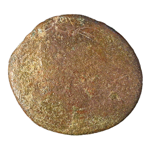
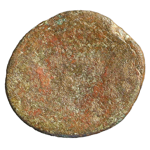
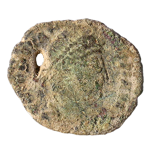
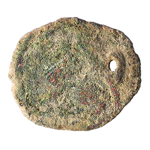
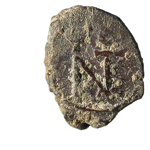
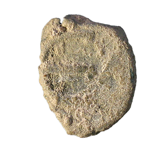
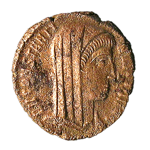
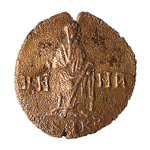
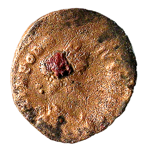
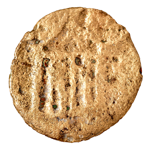
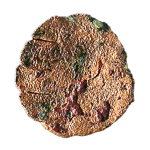
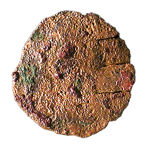
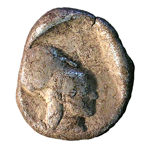
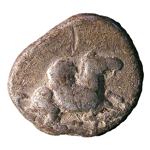
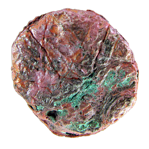
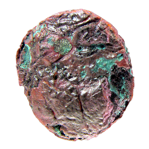
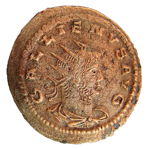
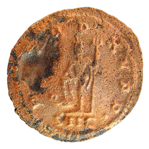
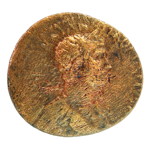
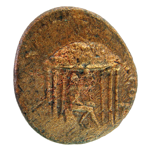
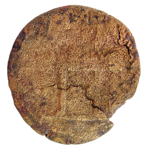
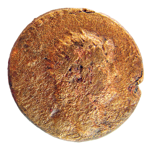
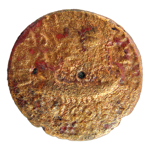
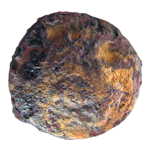
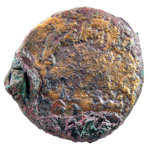
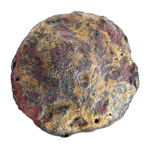
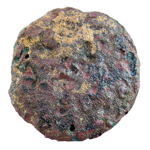
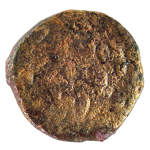
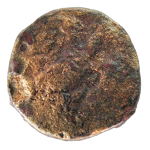
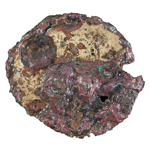
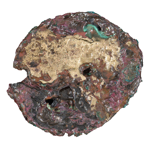
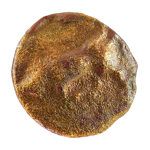
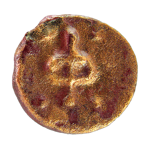
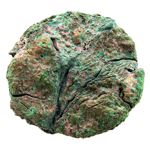
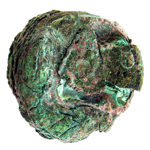
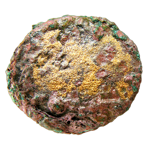
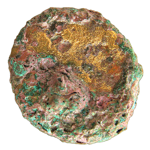
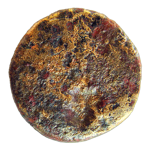
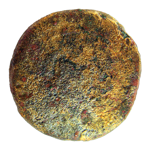
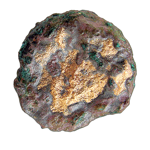
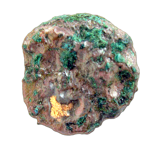
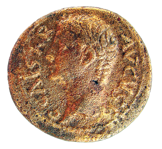
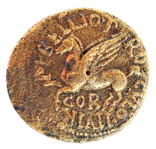
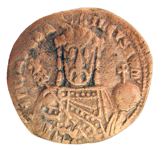
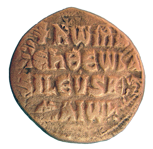
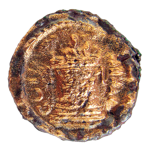
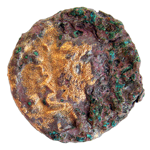
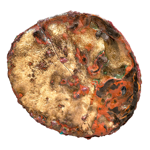
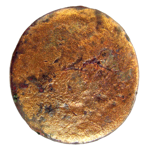
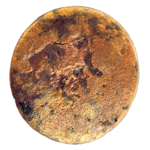
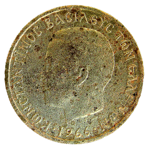
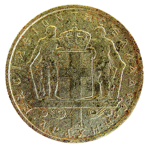
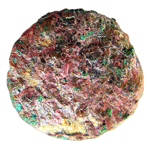
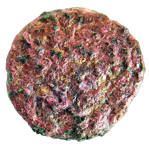
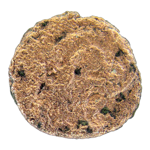
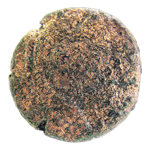
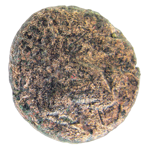
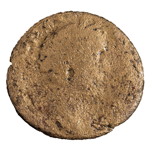
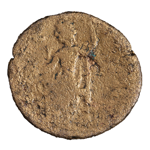
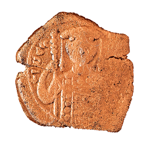
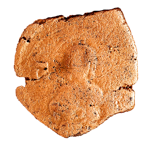
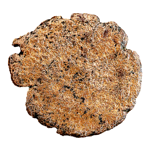
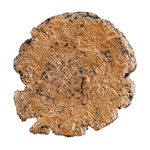
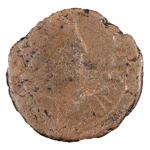
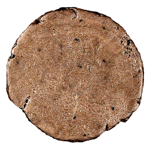
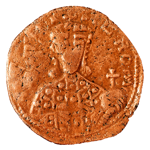
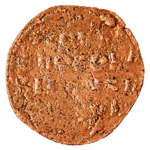
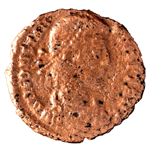
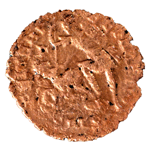
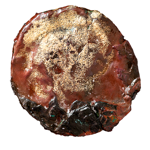
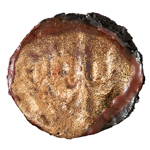
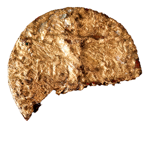
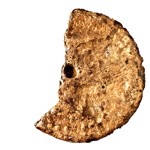
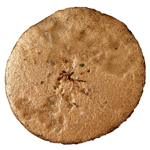
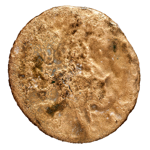
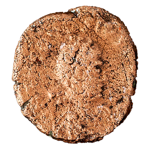
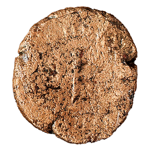
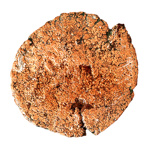
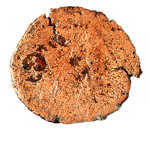
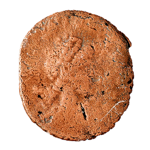
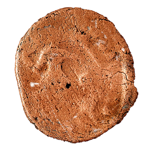
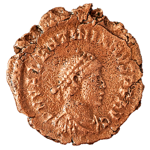
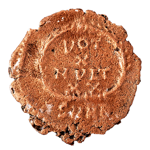
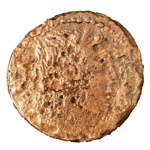
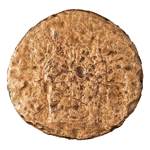
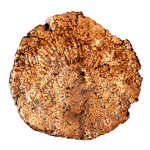
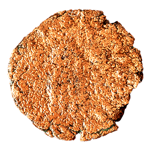
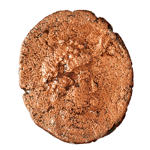
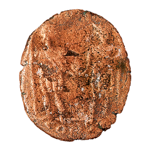
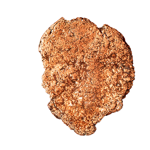
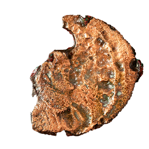
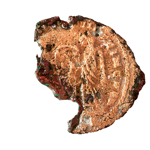
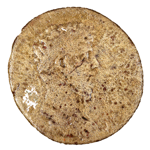
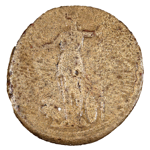
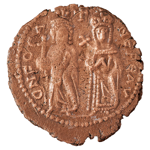
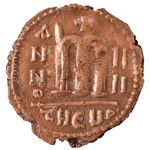
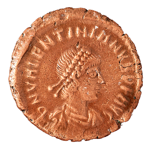
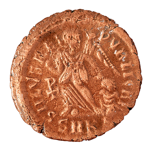
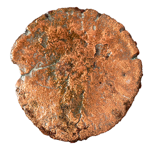
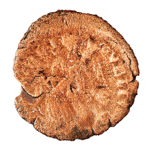
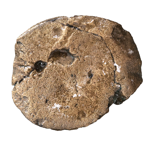
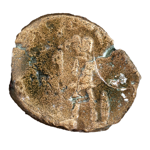
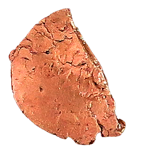
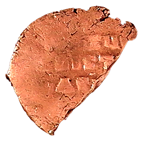
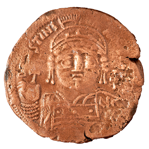
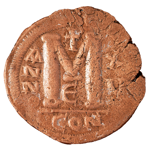
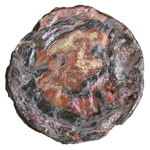
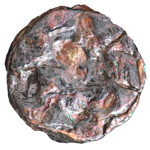
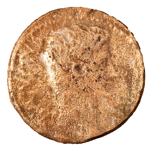
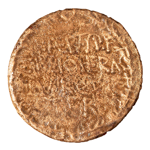
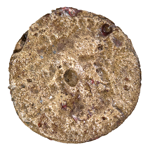
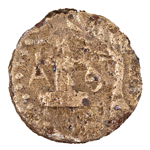
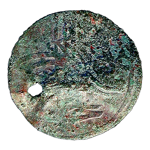
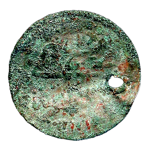
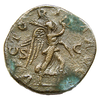
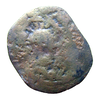
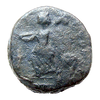
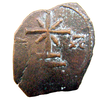
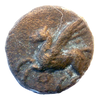
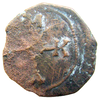
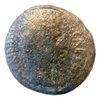
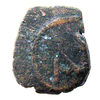
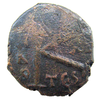
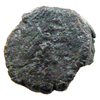
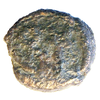
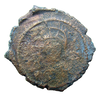
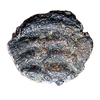
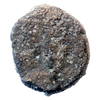
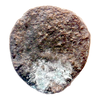
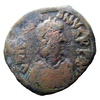
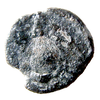
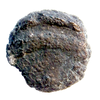
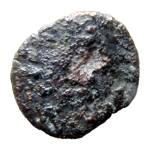
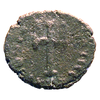
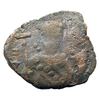
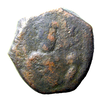
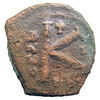
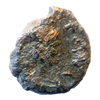
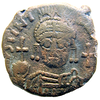
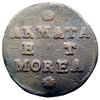
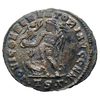
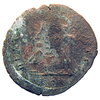
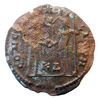
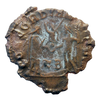
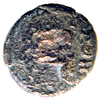
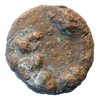
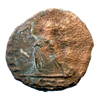
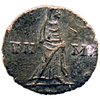
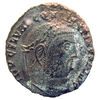
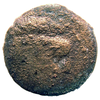
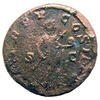
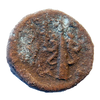
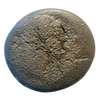
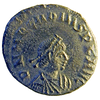
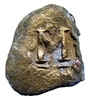
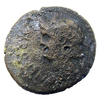
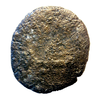
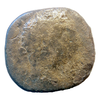
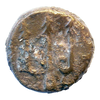
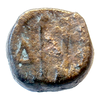
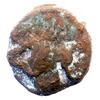
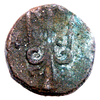
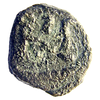
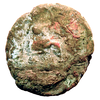
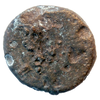
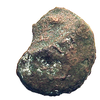
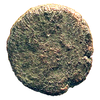
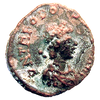
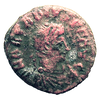
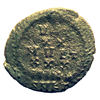
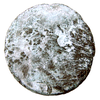
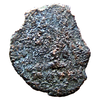
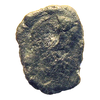
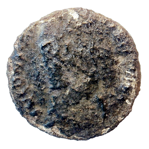
- A coin is a small portable object, usually metal and often flat, with a particular shape, weight, and design, marked by state authority and circulated at fixed value as money. Coins were used as a medium of economic exchange in the Mediterranean basin as early as the Archaic era (mid-late 7th century B.C.E.) but most frequently from Classical times on. The great variety and quantity of coins from archaeological contexts of historic date reflect the complexity of economic systems, ruling regimes, and identities and ideologies across regions and periods. Besides original issues, fakes or counterfeits, such as fourrées, and valid imitations were made. Coins had many purposes, foremost as monetary tokens but also as sacred objects or offerings, for example, at places of workshop or burials, and as keepsakes or mementoes. Sometimes they were adapted as decorative objects, for example, pierced to become pendants.
- Linked to